---
title: WHAT IS LISTERIA MONOCYTOGENES?
date: 2026-07-10T20:20:40-07:00
author: Bill Marler
canonical_url: "https://marlerclark.com/news_events/what-is-listeria-monocytogenes-3"
section: News
---
[All News](/news_events) /
# WHAT IS LISTERIA MONOCYTOGENES?
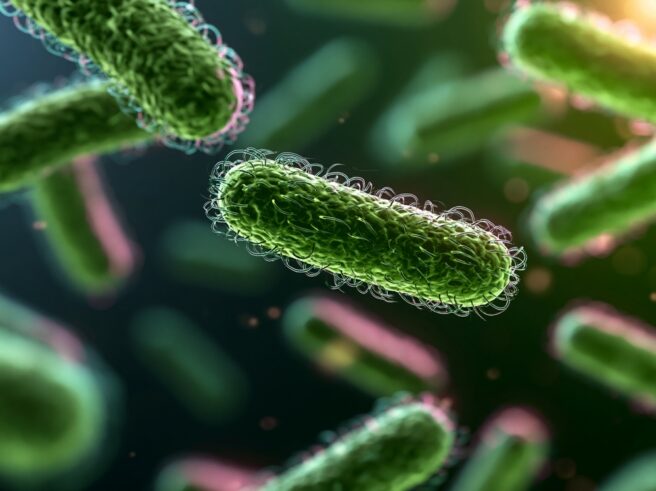
*Listeria* is a gram-positive, rod-shaped bacterium that is ubiquitous and can grow under either anaerobic (without oxygen) or aerobic (with oxygen) conditions.
**The Prevalence of *Listeria* in Food and the Environment**
Listeriosis is one of the most important bacterial infections worldwide that arises mainly from the consumption of contaminated food.[\[1\]](//B3CD8747-05B8-4DC4-8535-9EA4A16C5F8F#_ftn1) The disease is caused by *Listeria monocytogenes*, which is considered an opportunistic pathogen that affects mainly those with underlying immune conditions, such as pregnant women, neonates, and elders, resulting in septicemia, meningitis, and/or meningoencephalitis. Of the six species of *Listeria*, only *L. monocytogenes* causes disease in humans. It thrives between bacteria 86-98.6oF (30-37oC), but *Listeria* can grow at temperatures as low as −0.4°C and survive in freezing conditions down to −18°C.[\[2\]](//B3CD8747-05B8-4DC4-8535-9EA4A16C5F8F#_ftn2) This unique quality allows thermal characteristics to be used as a means of differentiating *Listeria* from other possibly-contaminating bacteria.
*Listeria monocytogenes* is omnipresent in nature; it is found widely in such places as water, soil, infected animals, human and animal feces, raw and treated sewage, leafy vegetables, effluent from poultry and meat processing facilities, decaying corn and soybeans, improperly fermented silage, and raw (unpasteurized) milk.[\[3\]](//B3CD8747-05B8-4DC4-8535-9EA4A16C5F8F#_ftn3)
Foodborne listeriosis is relatively rare but is a serious disease with high fatality rates (20%–30%) compared with other foodborne microbial pathogens. Severe *L. monocytogenes* infections are responsible for high hospitalization rates (91%) among the most common foodborne pathogens, may cause sporadic cases or large outbreaks, and can persist in food-processing environments and multiply at refrigeration temperatures, making *L. monocytogenes* a significant public health concern.[\[4\]](//B3CD8747-05B8-4DC4-8535-9EA4A16C5F8F#_ftn4)
Ready-to-eat foods are a notable and consistent source of *Listeria*. For example, a research study done by the *Listeria* Study Group found that *L. monocytogenes* grew from at least one food specimen in the refrigerators of 64% of persons with a confirmed *Listeria* infection (79 of 123 patients), and in 11% of more than 2,000 food specimens collected in the study. Moreover, 33% of refrigerators (26 of 79) contained foods that grew the same strain with which the individual had been infected, a frequency much higher than would be expected by chance. The danger posed by the risk of *Listeria* in ready-to-eat meats prompted the USDA to declare the bacterium an adulterant in these kinds of meat products and, as a result, to adopt a zero-tolerance policy for the presence of this deadly pathogen. The Code of Federal Regulations includes requirements for the post-lethality control of *Listeria* in meat and poultry products. This regulation is referred to as “The *Listeria* Rule” and was enacted in 2003. The rule outlines prevention and control measures that must be taken in processing facilities to reduce the risk of contamination of ready-to-eat products. Deli meats nonetheless remain a significant source. In 2024, a multistate outbreak traced to deli meats produced at a Boar’s Head plant in Jarratt, Virginia sickened 61 people across 19 states, hospitalized 60, and caused 10 deaths—the largest U.S. listeriosis outbreak since the 2011 cantaloupe outbreak (CDC).[\[5\]](//B3CD8747-05B8-4DC4-8535-9EA4A16C5F8F#_ftn5)
**Transmission of and Infection with *Listeria***
*Listeria* typically spreads to people through contaminated food or water but can also be transmitted from mother to fetus.
Except for the transmission of mother to fetus, human-to-human transmission of *Listeria* is not known to occur. Infection is caused almost exclusively by the ingestion of the bacteria, most often through the consumption of contaminated food. The most widely accepted estimate of foodborne transmission is 85-95% of all *Listeria* cases.
The infective dose—that is, the number of bacteria that must be ingested to cause illness—is not known but is suspected to vary based on the strain. In an otherwise healthy person, an extremely large number of *Listeria* bacteria must be ingested to cause illness—estimated to be somewhere between 10-100 million viable bacteria (or colony forming units “CFU”) in healthy individuals, and only 0.1-10 million CFU in people at high risk of infection. Even with such a dose, a healthy individual will suffer only a fever, diarrhea, and related gastrointestinal symptoms.
The amount of time from infection to the onset of symptoms—typically referred to as the incubation period—can vary to a significant degree.[\[6\]](//B3CD8747-05B8-4DC4-8535-9EA4A16C5F8F#_ftn6)
According to the CDC, symptoms of *Listeria* infection can develop at any time from the same day of exposure to 70 days after eating contaminated food. According to the FDA, gastroenteritis (or non-invasive illness) has an onset time of a few hours to 3 days, while invasive illness can have an onset varying from 3 days to 3 months. According to one authoritative text:
The incubation period for invasive illness is not well established, but evidence from a few cases related to specific ingestions points to 11 to 70 days, with a mean of 31 days. In one report, two pregnant women whose only common exposure was attendance at a party developed *Listeria* bacteremia with the same uncommon enzyme type; incubation periods for illness were 19 and 23 days.
Adults can get listeriosis by eating food contaminated with *Listeria*, but babies can be born with listeriosis if their mothers eat contaminated food during pregnancy. The mode of transmission of *Listeria* to the fetus is either transplacental via the maternal bloodstream or ascending from a colonized genital tract. Infections during pregnancy can cause premature delivery, miscarriage, stillbirth, or serious health problems for the newborn. Pregnant women make up around 30% of all infection cases while accounting for 60% of cases involving the 10- to 40-year age group.
**Who is most susceptible to *Listeria monocytogenes* infection?**
Several segments of the population are at increased risk and need to be informed so that proper precautions can be taken. The body’s defense against *Listeria* is called “cell-mediated immunity” because the success of defending against infection depends on our cells (as opposed to our antibodies), especially lymphocytes, otherwise known as “T-cells.” Therefore, individuals whose cell-mediated immunity is suppressed are more susceptible to the devastating effects of listeriosis, including HIV-infected individuals, who have been found to have *Listeria*-related mortality of 29%. The incidence of *Listeria* infection in HIV-positive individuals is higher than in the general population. One study found that:
The estimated incidence of listeriosis among HIV-infected patients in metropolitan Atlanta was 52 cases per 100,000 patients per year, and among patients with AIDS it was 115 cases per 100,000 patients per year, rates 65-145 times higher than those among the general population. HIV-associated cases occurred in adults who were 29-62 years of age and in postnatal infants who were 2 and 6 months of age.
Pregnant women naturally have a depressed cell-mediated immune system. While other systemic bacterial infections may result in adverse pregnancy outcomes at comparable frequencies, *L. monocytogenes* have notoriety because fetal complications largely occur in the absence of overt illness in the mother, delaying medical intervention. In addition, the immune systems of fetuses and newborns are very immature and are extremely susceptible to these types of infections.
Other adults, especially transplant recipients and lymphoma patients, are given necessary therapies with the specific intent of depressing T-cells, and these individuals become especially susceptible to *Listeria* as well. Other adults, especially transplant recipients and lymphoma patients, are given necessary therapies with the specific intent of depressing T-cells, and these individuals become especially susceptible to *Listeria* as well.
According to the FDA, CDC, and other public health organizations, individuals at increased risk for being infected and becoming seriously ill with *Listeria* include the following groups:
- Pregnant women: They are about 10-20 times more likely than other healthy adults to get listeriosis. About one-third of listeriosis cases happen during pregnancy. Fetuses are also highly susceptible to infection and severe complications.
- Newborns: Newborns can develop life-threatening diseases from perinatal and neonatal infections
- Persons with weakened immune systems
- Persons with cancer, diabetes, kidney, or gastrointestinal disease
- Persons with HIV/AIDS: Individuals with HIV/AIDS are almost 300 times more likely to get listeriosis than people with healthy immune systems.
- Persons who take glucocorticosteroid medications (such as cortisone)
- Persons of advanced age: One risk assessment showed people over 60 years old were 2.6 times more likely to develop listeriosis than the general population. And in 2011, the median age of diagnosed cases in people who were not pregnant was 71 years old.
**Symptoms of Listeriosis**
Only a small percentage of persons who ingest *Listeria* fall ill or develop symptoms. For those who do develop symptoms because of their infection, the resulting illness is either mild or quite severe, in what is sometimes referred to as a “bimodal distribution of severity.”[\[7\]](//B3CD8747-05B8-4DC4-8535-9EA4A16C5F8F#_ftn7) *Listeria* can cause two different types of disease syndromes with differing severity. Non-invasive *Listeria* infection causes gastroenteritis with symptoms such as diarrhea, nausea, and vomiting that resolve on their own. Healthy adults without any immunocompromising conditions typically experience this milder version of the disease. The more severe type of disease caused by *Listeria monocytogenes* is called listeriosis and is referred to as an invasive illness.
On the mild end of the spectrum, listeriosis usually consists of the sudden onset of fever, chills, severe headache, vomiting, and other influenza-type symptoms. Along these same lines, the CDC notes that infected individuals may develop fever, muscle aches, and sometimes gastrointestinal symptoms such as nausea or diarrhea. When present, the diarrhea usually lasts 1-4 days (with 42 hours being average), with 12 bowel movements per day at its worst.
The more severe form of the illness occurs when the bacteria infect parts of the body that are typically sterile, such as the blood, brain, liver, and cerebral spinal fluid. The presence of the bacteria in these areas triggers the immune response and can lead to those more severe symptoms. *L. monocytogenes* has a specific affinity for the central nervous system (CNS), especially in cell-mediated immunodeficient individuals.[\[8\]](//B3CD8747-05B8-4DC4-8535-9EA4A16C5F8F#_ftn8)
As already noted, when pregnant, women have a mildly impaired immune system that makes them susceptible to *Listeria* infection. If infected, the illness appears as acute fever, muscle pain, backache, and headache. The illness usually occurs in the third trimester, which is when immunity is at its lowest. Infection during pregnancy can lead to premature labor, miscarriage, infection of the newborn, or even stillbirth. Around twenty percent of such infections result in stillbirth or neonatal death.
Newborns may present clinically with early-onset (less than 7 days) or late-onset forms of infection (7 or more days). Those with the early-onset form are often diagnosed in the first 24 hours of life with septicemia, meningitis, or respiratory distress and have a higher mortality rate. Early-onset listeriosis is most often acquired through trans-placental transmission. Late-onset neonatal listeriosis is less common and less severe than the early-onset form. Clinical symptoms may be subtle and include irritability, fever, poor feeding, and meningitis. The mode of acquisition of late onset listeriosis is poorly understood.
**Complications of *Listeria* Infection**
For those persons who suffer a *Listeria* infection that does not resolve on its own, the complications can be numerous and possibly severe. The most common complication is septicemia (bacterial infection in the blood), with meningitis being the second most common. Other complications can include inflammation of the brain or brain stem (encephalitis), brain abscess, inflammation of the heart-membrane (endocarditis), septic arthritis, osteomyelitis (infection in the bone), and localized infection, either internally or of the skin.
Death is the most severe consequence of listeriosis, and it is tragically common. The CDC has estimated that *L. monocytogenes* is the third leading cause of death from foodborne illness, with approximately 260 of 1,600 people diagnosed dying from their infections. For example, based on 2018 FoodNet surveillance data, 96% of 126 *Listeria* cases ended up in the hospital, the highest hospitalization rate for pathogenic bacterial infection. This data showed a fatality rate of 21%. According to the FDA, the case-fatality rate increases substantially based on complications, possibly reaching rates of 70% in cases with listeria meningitis, 50% in septicemia cases, and over 80% for perinatal/neonatal infections. In one US study, *L. monocytogenes* was reportedly the cause of nearly 4% of all cases of bacterial meningitis.
**Prevention of *Listeria* Infection**
Because *Listeria monocytogenes* is so widely distributed in the environment and, unlike most foodborne pathogens, can continue to multiply at refrigeration temperatures, complete elimination of exposure is difficult. The risk of infection can nonetheless be substantially reduced through proper food handling, temperature control, and—for those at higher risk—avoidance of the foods most frequently associated with contamination. Public health authorities emphasize the same four core food-safety practices that apply to other foodborne pathogens: clean, separate, cook, and chill.[\[9\]](//B3CD8747-05B8-4DC4-8535-9EA4A16C5F8F#_ftn9)
In practice, these measures include washing hands, utensils, cutting boards, and countertops before and after handling food; keeping raw meat, poultry, and seafood separate from ready-to-eat foods to avoid cross-contamination; cooking meat, poultry, and eggs to safe internal temperatures verified with a food thermometer; and promptly refrigerating perishable foods. Because *Listeria* can grow in the cold, refrigerators should be kept at or below 40°F (4°C) and freezers at or below 0°F (−18°C), and refrigerator surfaces—particularly those that contact food—should be cleaned regularly to eliminate any bacteria that have become established.
People at increased risk—pregnant women, newborns, adults over 65, and those with weakened immune systems—should take additional precautions and avoid, or thoroughly heat, the foods most commonly linked to listeriosis. According to the FDA and CDC, higher-risk individuals should:[\[10\]](//B3CD8747-05B8-4DC4-8535-9EA4A16C5F8F#_ftn10)
- Reheat hot dogs, luncheon meats, cold cuts, and other deli meats until steaming hot, or to an internal temperature of 165°F (74°C), before eating;
- Avoid unpasteurized (raw) milk and products made from it, and avoid soft cheeses such as feta, brie, Camembert, blue-veined cheeses, and queso fresco-type cheeses unless the label confirms they are made with pasteurized milk;
- Avoid refrigerated pâtés and meat spreads (canned or shelf-stable versions are safer) and refrigerated smoked seafood, unless it is cooked into a dish such as a casserole;
- Avoid premade deli salads, such as ham, chicken, egg, tuna, or seafood salad;
- Avoid raw or lightly cooked sprouts and, in light of recent outbreaks, raw enoki mushrooms, cooking both thoroughly if eaten; and
- Wash raw fruits and vegetables well, taking particular care with melons, which have been tied to serious outbreaks, and consume perishable ready-to-eat foods as soon as possible while observing “use-by” dates.
Consumers should also stay informed about food recalls and outbreak notices and promptly discard any recalled product. At the industry level, prevention depends heavily on sanitation and environmental controls in food-processing facilities, where *Listeria* can establish persistent colonies, known as harborage sites, and form biofilms that resist cleaning. As noted above, USDA’s “*Listeria* Rule” has since 2003 required establishments producing post-lethality-exposed ready-to-eat meat and poultry products to adopt controls—including environmental monitoring, sanitation programs, and, in many cases, post-lethality treatments or antimicrobial agents—consistent with the government’s zero-tolerance policy for *L. monocytogenes* in those products.[\[11\]](//B3CD8747-05B8-4DC4-8535-9EA4A16C5F8F#_ftn11)
---
[\[1\]](//B3CD8747-05B8-4DC4-8535-9EA4A16C5F8F#_ftnref1) Reda, W. W., Abdel-Moein, K., Hegazi, A., Mohamed, Y., & Abdel-Razik, K. (2016). Listeria monocytogenes: An emerging food-borne pathogen and its public health implications. *The Journal of Infection in Developing Countries*, *10*(02), 149-154. https://doi.org/10.3855/jidc.6616
[\[2\]](//B3CD8747-05B8-4DC4-8535-9EA4A16C5F8F#_ftnref2) Santos, T., Viala, D., Chambon, C., Esbelin, J., & Hébraud, M. (2019, May 24). *Listeria monocytogenes Biofilm Adaptation to Different Temperatures Seen Through Shotgun Proteomics*. https://www.frontiersin.org/articles/10.3389/fnut.2019.00089/full.
[\[3\]](//B3CD8747-05B8-4DC4-8535-9EA4A16C5F8F#_ftnref3) Manning, A. (2019). Microbial Food Spoilage and Food Borne Diseases. In *Food microbiology and food processing* (pp. 125–130). Chapter 2. ED-TECH PRESS.
[\[4\]](//B3CD8747-05B8-4DC4-8535-9EA4A16C5F8F#_ftnref4) Arslan, F., Meynet, E., Sunbul, M. *et al.* The clinical features, diagnosis, treatment, and prognosis of neuroinvasive listeriosis: a multinational study. *Eur J Clin Microbiol Infect Dis* 34,1213–1221 (2015). https://doi.org/10.1007/s10096-015-2346-5
[\[5\]](//B3CD8747-05B8-4DC4-8535-9EA4A16C5F8F#_ftnref5) USDA Staff. (2014, January 1). *Controlling Listeria monocytogenes in Post-lethality Exposed Ready-to-Eat Meat and Poultry Products*. https://www.fsis.usda.gov/wps/portal/fsis/topics/regulatory-compliance/guidelines/2014-0001.
[\[6\]](//B3CD8747-05B8-4DC4-8535-9EA4A16C5F8F#_ftnref6) Goulet V, King LA, Vaillant V, de Valk H. What is the incubation period for listeriosis? *BMC Infect Dis*. 2013; 13:11. Published 2013 Jan 10. doi:10.1186/1471-2334-13-11
[\[7\]](//B3CD8747-05B8-4DC4-8535-9EA4A16C5F8F#_ftnref7) Waldron, C. M. (2017, September 15). *The Recovery and Transfer of Aerosolized Listeria Innocua*. https://vtechworks.lib.vt.edu/handle/10919/78907.
[\[8\]](//B3CD8747-05B8-4DC4-8535-9EA4A16C5F8F#_ftnref8) Arslan, F., Meynet, E., Sunbul, M., Sipahi, O. R., Kurtaran, B., Kaya, S., … Mert, A. (2015, June). *The clinical features, diagnosis, treatment, and prognosis of neuroinvasive listeriosis: a multinational study*. European journal of clinical microbiology & infectious diseases: official publication of the European Society of Clinical Microbiology. https://www.ncbi.nlm.nih.gov/pubmed/25698311.
[\[9\]](//B3CD8747-05B8-4DC4-8535-9EA4A16C5F8F#_ftnref9) Centers for Disease Control and Prevention. *Preventing Listeria Infection*. https://www.cdc.gov/listeria/prevention/index.html; Centers for Disease Control and Prevention. *Safer Food Choices for Pregnant Women* (Jan. 31, 2025). https://www.cdc.gov/food-safety/foods/pregnant-women.html.
[\[10\]](//B3CD8747-05B8-4DC4-8535-9EA4A16C5F8F#_ftnref10) U.S. Food and Drug Administration. *Listeria (Food Safety for Moms-to-Be)*. https://www.fda.gov/food/health-educators/listeria-food-safety-moms-be; FoodSafety.gov. *People at Risk: Pregnant Women*. https://www.foodsafety.gov/people-at-risk/pregnant-women.
[\[11\]](//B3CD8747-05B8-4DC4-8535-9EA4A16C5F8F#_ftnref11) USDA Food Safety and Inspection Service. *Controlling Listeria monocytogenes in Post-lethality Exposed Ready-to-Eat Meat and Poultry Products*. https://www.fsis.usda.gov/wps/portal/fsis/topics/regulatory-compliance/guidelines/2014-0001.
### Other Listeria Lawsuits
[Clover Hill Dairy Cheese sickens 12 with Listeria - 1 Death](https://marlerclark.com/clover-hill-dairy-cheese-sickens-8-with-listeria)
[70 Sickened by Salmonella Cantaloupe](https://marlerclark.com/70-sickened-by-salmonella-cantaloupe)
[Headcheese linked to Listeria illnesses in Illinois](https://marlerclark.com/headcheese-linked-to-listeria-illnesses-in-illinois)
[Kroger and Walmart Pasta Listeria Outbreak](https://marlerclark.com/kroger-and-walmart-pasta-listeria-outbreak)
[Listeria Outbreak linked to Kroger and Walmart Chicken Fettuccine](https://marlerclark.com/listeria-outbreak-linked-to-kroger-and-walmart-chicken-fettuccine)
[Fresh & Ready Foods linked to California and Nevada Listeria Outbreak](https://marlerclark.com/fresh-ready-foods-linked-to-california-and-nevida-listeria-outbreak)
[14 Listeria Deaths tied to Lyons ReadyCare or Sysco Shakes](https://marlerclark.com/11-listeria-deaths-tied-to-lyons-readycare-or-sysco)
[Boar's Head Deli Meat Sickens 61 in 19 States with Deadly Listeria - 10 deaths](https://marlerclark.com/deli-meat-hits-28-in-12-states-with-deadly-listeria)
[Rizo-López Foods recalls cheese after deadly Listeria Outbreak](https://marlerclark.com/rizo-l%C3%B3pez-foods-recalls-cheese-after-deadly-listeria-outbreak)
[Listeria Outbreak linked to Peaches - 11 Sick with 1 Death](https://marlerclark.com/listeria-outbreak-linked-to-peaches-11-sick)
[Listeria Outbreak linked to Frugals | Marler Clark by retained three victims](https://marlerclark.com/listeria-outbreak-announced-in-washington)
[Six States Report 16 Victims of Listeria Linked to Deli Meat and Cheeses](https://marlerclark.com/six-states-report-victims-of-listeria-outbreak-linked-to-deli-meat-and-cheeses)
### Lawsuit updates about foodborne illnesses
[Reactive Arthritis Lawsuit Updates](/news_events/case-news?illness=reactive-arthritis&year=all)
[E. coli Lawsuit Updates](/news_events/case-news?illness=e-coli&year=all)
[Guillain-Barre Syndrome Lawsuit Updates](/news_events/case-news?illness=guillain-barre-syndrome&year=all)
[Salmonella Lawsuit Updates](/news_events/case-news?illness=salmonella&year=all)
[Hemolytic Uremic Syndrome Lawsuit Updates](/news_events/case-news?illness=hemolytic-uremic-syndrome&year=all)
[Listeria Lawsuit Updates](/news_events/case-news?illness=listeria&year=all)
[Irritable Bowel Syndrome Lawsuit Updates](/news_events/case-news?illness=irritable-bowel-syndrome&year=all)
[Hepatitis A Lawsuit Updates](/news_events/case-news?illness=hepatitis-a&year=all)
[Norovirus Lawsuit Updates](/news_events/case-news?illness=norovirus&year=all)
[Botulism Lawsuit Updates](/news_events/case-news?illness=botulism&year=all)
[Campylobacter Lawsuit Updates](/news_events/case-news?illness=campylobacter&year=all)
[Shigella Lawsuit Updates](/news_events/case-news?illness=shigella&year=all)
[Cyclospora Lawsuit Updates](/news_events/case-news?illness=cyclospora&year=all)
### Lawsuits updates by year
[Foodborne Illness Lawsuits in 1998](https://marlerclark.com/news_events/case-news?illness=all&year=1998)
[Foodborne Illness Lawsuits in 1999](https://marlerclark.com/news_events/case-news?illness=all&year=1999)
[Foodborne Illness Lawsuits in 2000](https://marlerclark.com/news_events/case-news?illness=all&year=2000)
[Foodborne Illness Lawsuits in 2001](https://marlerclark.com/news_events/case-news?illness=all&year=2001)
[Foodborne Illness Lawsuits in 2002](https://marlerclark.com/news_events/case-news?illness=all&year=2002)
[Foodborne Illness Lawsuits in 2003](https://marlerclark.com/news_events/case-news?illness=all&year=2003)
[Foodborne Illness Lawsuits in 2004](https://marlerclark.com/news_events/case-news?illness=all&year=2004)
[Foodborne Illness Lawsuits in 2005](https://marlerclark.com/news_events/case-news?illness=all&year=2005)
[Foodborne Illness Lawsuits in 2006](https://marlerclark.com/news_events/case-news?illness=all&year=2006)
[Foodborne Illness Lawsuits in 2007](https://marlerclark.com/news_events/case-news?illness=all&year=2007)
[Foodborne Illness Lawsuits in 2008](https://marlerclark.com/news_events/case-news?illness=all&year=2008)
[Foodborne Illness Lawsuits in 2009](https://marlerclark.com/news_events/case-news?illness=all&year=2009)
[Foodborne Illness Lawsuits in 2010](https://marlerclark.com/news_events/case-news?illness=all&year=2010)
[Foodborne Illness Lawsuits in 2011](https://marlerclark.com/news_events/case-news?illness=all&year=2011)
[Foodborne Illness Lawsuits in 2012](https://marlerclark.com/news_events/case-news?illness=all&year=2012)
[Foodborne Illness Lawsuits in 2013](https://marlerclark.com/news_events/case-news?illness=all&year=2013)
[Foodborne Illness Lawsuits in 2014](https://marlerclark.com/news_events/case-news?illness=all&year=2014)
[Foodborne Illness Lawsuits in 2015](https://marlerclark.com/news_events/case-news?illness=all&year=2015)
[Foodborne Illness Lawsuits in 2016](https://marlerclark.com/news_events/case-news?illness=all&year=2016)
[Foodborne Illness Lawsuits in 2017](https://marlerclark.com/news_events/case-news?illness=all&year=2017)
[Foodborne Illness Lawsuits in 2018](https://marlerclark.com/news_events/case-news?illness=all&year=2018)
[Foodborne Illness Lawsuits in 2019](https://marlerclark.com/news_events/case-news?illness=all&year=2019)
[Foodborne Illness Lawsuits in 2020](https://marlerclark.com/news_events/case-news?illness=all&year=2020)
[Foodborne Illness Lawsuits in 2021](https://marlerclark.com/news_events/case-news?illness=all&year=2021)
[Foodborne Illness Lawsuits in 2022](https://marlerclark.com/news_events/case-news?illness=all&year=2022)
[Foodborne Illness Lawsuits in 2023](https://marlerclark.com/news_events/case-news?illness=all&year=2023)
[Foodborne Illness Lawsuits in 2024](https://marlerclark.com/news_events/case-news?illness=all&year=2024)
[Foodborne Illness Lawsuits in 2025](https://marlerclark.com/news_events/case-news?illness=all&year=2025)
[Foodborne Illness Lawsuits in 2026](https://marlerclark.com/news_events/case-news?illness=all&year=2026)
##### Get Help
#### Affected by an outbreak or recall?
The team at Marler Clark is here to answer all your questions. Find out if you’re eligible for a lawsuit, what questions to ask your doctor, and more.
[ Get a free consultation ](https://marlerclark.com/contact)
##### Related Resources
###### [Listeria Food Poisoning](https://marlerclark.com/foodborne-illnesses/listeria/about-listeria)
What is Listeria and how does it cause food poisoning? Listeria is a gram-positive, rod-shaped bacterium that is ubiquitous and can grow under either anaerobic (without oxygen) or aerobic (with...
###### [The Incidence of Listeria Infections](https://marlerclark.com/foodborne-illnesses/listeria/the-incidence-of-listeria-infections)
How common are Listeria infections? Listeria bacteria are found widely in the environment in soil, including in decaying vegetation and water, and may be part of the fecal flora of...
###### [The Prevalence of Listeria in Food and the Environment](https://marlerclark.com/foodborne-illnesses/listeria/listeria-prevalence)
Listeria bacteria are common in nature. Listeria monocytogenes is omnipresent in nature; it is found widely in such places as water, soil, infected animals, human and animal feces, raw and...
###### [Transmission of and Infection with Listeria](https://marlerclark.com/foodborne-illnesses/listeria/transmission-of-and-infection-with-listeria)
Listeria typically spreads to people through contaminated food or water, but can also be transmitted from mother to fetus. Except for the transmission of mother to fetus, human-to-human transmission of...
###### [Who is Most at Risk of Becoming Ill with Listeria?](https://marlerclark.com/foodborne-illnesses/listeria/who-is-most-at-risk-for-becoming-ill-with-listeria)
The elderly, pregnant women, and anyone immunocompromised is most at risk for contracting Listeria. Several segments of the population are at increased risk and need to be informed so that...
##### Outbreak Database
#### Looking for a comprehensive list of outbreaks?
The team at Marler Clark is here to answer all your questions. Find out if you’re eligible for a lawsuit, what questions to ask your doctor, and more.
[ View Outbreak Database
](https://outbreakdatabase.com)